Council fines and disposal rules for carpet cleaners Kingston
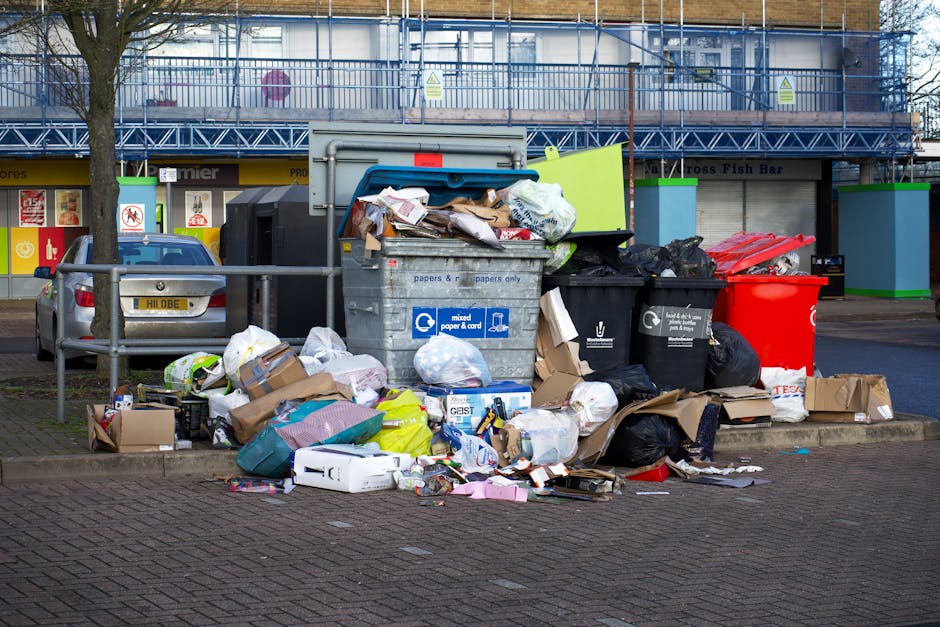
If you clean carpets for a living in Kingston, waste handling is not just a back-office detail. It can affect your reputation, your costs, and, frankly, whether a job ends smoothly or turns into a headache. Council fines and disposal rules for carpet cleaners Kingston matter because carpet cleaning creates dirty water, removed fibres, old underlay, packaging, and sometimes contaminated waste that needs careful handling. Get it wrong and you may face complaints, blocked drains, or avoidable fines. Get it right and your business looks sharper, safer, and more professional.
There is a lot to think about: what can go down a drain, what must be taken away, what should be separated for recycling, and how to keep a customer's property tidy while you work. This guide breaks it down in plain English, with practical steps that fit real cleaning jobs in Kingston, not a theory-only version that sounds nice on paper.
Why Council fines and disposal rules for carpet cleaners Kingston Matters
Let's face it: most customers care about a clean carpet first and waste disposal second. But councils do not see it that way. If wastewater, sludge, rinse residue, or removed material ends up where it should not, the issue stops being "just cleaning" and becomes a local environmental and nuisance concern. That is where fines, complaints, and awkward conversations can enter the picture.
For carpet cleaners in Kingston, the main risks usually sit in four places. First, wastewater disposal. Second, transport of removed waste. Third, contamination from cleaning chemicals, pet waste, mould, or bio-residue. Fourth, poor housekeeping on-site, such as leaving bags, dirty filters, or wet waste in communal areas. A customer may never see the paperwork, but they will notice if a hallway smells damp or a driveway is left with streaks and runoff. Not ideal.
This matters even more if you work in flats, offices, HMOs, managed blocks, or end-of-tenancy settings. In those jobs, one slip can create a trail of complaints, and not always from the client. A managing agent or neighbour may be the one reporting the problem. If you need to tidy up after a messy project, services such as deep cleaning and end-of-tenancy cleaning tend to involve tighter waste control, because there is often more debris and more scrutiny.
The real point is simple: disposal is part of the service, not an afterthought. If you handle it well, the work feels professional. If you do not, the whole job can look careless, even when the carpet itself came up beautifully.
How Council fines and disposal rules for carpet cleaners Kingston Works
In practical terms, the council side of this topic is about where waste goes, whether it is stored safely, and whether it is placed into the right system. For carpet cleaners, the biggest grey area is usually dirty water from extraction machines or portable units. That water may contain soil, detergents, pet residues, food particles, or other contaminants pulled from the carpet.
There is no sensible one-size-fits-all answer, because jobs vary. A lightly soiled living room in a detached house is not the same as a property with pet contamination or post-renovation dust. The same goes for commercial jobs. A busy office or shared corridor creates different waste streams from a small domestic carpet clean.
What councils and enforcement bodies generally care about is whether the disposal method is safe, lawful, and not causing pollution or blockages. That means you should think carefully before emptying wastewater into a garden drain, surface water drain, or public area. You also need to avoid dumping solid debris, old carpet underlay, or contaminated waste into ordinary bins if that waste is not suitable for it.
In Kingston, the practical workflow should be straightforward: assess the waste, separate it, choose the correct disposal route, and document what happened if needed. A cleaner who can explain this confidently tends to inspire trust. A cleaner who shrugs and says, "We just pour it away somewhere," tends to raise eyebrows. Fair enough.
Key Benefits and Practical Advantages
Good disposal habits bring more than compliance. They make jobs easier to manage, especially on larger or repeat visits. Here are the main advantages.
- Lower risk of complaints: Neighbours, tenants, and building managers are less likely to report smells, spills, or mess.
- Fewer service delays: You spend less time cleaning up after yourself or dealing with blocked outlets and overflow issues.
- Better customer confidence: Clients notice when a cleaner works tidily and respects the property.
- Reduced legal and financial exposure: Careful waste handling lowers the chance of avoidable penalties or remediation costs.
- Improved sustainability: Sorting materials properly makes it easier to recycle suitable packaging and reduce landfill waste.
There is also a subtle commercial benefit. Cleaners who operate with clear disposal standards tend to look better when compared with low-cost operators. In a competitive market, that matters. Customers may not ask detailed questions on day one, but they do remember the contractor who turned up prepared, protected the premises, and left no mess behind.
If your business serves both domestic and business clients, aligning your approach with commercial carpet cleaning and domestic cleaning expectations keeps your process consistent. Consistency is underrated. It saves time and avoids those awkward "we do it differently on this job" moments that nobody enjoys.
Who This Is For and When It Makes Sense
This guidance is for independent carpet cleaners, small cleaning firms, subcontractors, franchise operators, and anyone offering steam extraction or wet cleaning in Kingston. It is especially relevant if you:
- work with portable extraction machines;
- remove heavy soil, pet contamination, or stain-lift residue;
- dispose of dirty water on-site;
- carry out recurring cleaning in offices or communal spaces;
- handle old rugs, fabric waste, or associated upholstery items;
- manage end-of-tenancy cleans where standards are tighter.
It also makes sense for property managers and customers who hire cleaners, because a good contractor should be able to explain how waste will be handled. If they cannot explain that clearly, you may want to ask a few more questions. No drama, just good sense.
For jobs that involve more than carpets alone, related services such as sofa cleaning, upholstery cleaning, rug cleaning, and pet stain odour removal can produce different waste types. That is why a blanket disposal rule is never enough.
Step-by-Step Guidance
Here is a practical way to handle waste and avoid problems on a typical carpet cleaning job in Kingston.
- Identify the waste before you start. Look at the carpet condition, the room type, and whether there are signs of pet mess, mould, food residue, renovation dust, or heavy debris.
- Choose the right equipment. Use suitable recovery tanks, filters, and waste containers so you are not improvising at the last minute. Improvisation is fun in films, less so with dirty water.
- Protect the property. Put down mats, manage hoses carefully, and avoid drips in hallways, stairwells, or shared entrances.
- Separate solid waste from liquid waste. Keep carpet cut-offs, underlay, packaging, and debris out of wastewater containers.
- Dispose of wastewater safely. Follow the site conditions and your own risk assessment. Never assume a drain is acceptable just because it is nearby.
- Bag or containerise the solid waste. If you remove carpet fibres, old materials, or contaminated debris, keep them in sealed, appropriate containers.
- Check for residue. After cleaning, inspect the area for spills, odour, or damp patches. A quick visual check saves embarrassment later.
- Record anything unusual. If a client's property produces abnormal waste, note it internally. That helps if a complaint appears later.
For quicker, lighter jobs, such as maintenance cleans or routine visits, your process may be more streamlined. Services like regular cleaning and one-off cleaning still need proper disposal, just with less waste to manage. The principle is unchanged.
Expert Tips for Better Results
In our experience, the best waste-handling systems are usually the boring ones. Not glamorous, but very effective.
- Pre-plan disposal before arrival. Know where you are allowed to empty recovery tanks and where you are not. Do not wait until the machine is full and everyone is staring at you.
- Carry extra liners and sealed bags. A small spill on a warm day can quickly become a smell issue.
- Keep a simple waste log. It does not need to be complicated. A quick note of job address, waste type, and disposal method is often enough for internal control.
- Use low-residue chemistry where suitable. Less chemical load means less mess in the recovery tank and less rinse waste.
- Train staff on site etiquette. Not just cleaning technique. Waste handling, hallway care, and customer communication matter just as much.
- Check communal rules in blocks and offices. Some buildings have very specific access or disposal expectations, especially in shared areas.
One small but helpful habit: keep a clean cloth and absorbent material in the van for leaks. It sounds tiny. It is tiny. But it can save a job when a hose fitting drips on the way back to the vehicle, or a container sloshes a bit after a stair run.
For businesses handling a broader set of cleaning work, pages such as office cleaning and communal area cleaning are useful reminders that shared spaces need more than a tidy finish; they need tidy working practices too.
Common Mistakes to Avoid
Most disposal problems are not dramatic. They come from rushed habits. That is the honest truth.
- Pouring wastewater into the wrong drain. This is probably the most common risky shortcut. If unsure, stop and check.
- Mixing solids with liquid waste. It makes handling harder and can create avoidable contamination.
- Leaving waste on the property "for later". Later often becomes forgotten, then becomes a complaint.
- Using household bins for unsuitable waste. Some items are simply not appropriate for standard disposal routes.
- Ignoring odour control. Wet waste in a sealed van can become noticeable very quickly. You will notice it first, then everybody else will.
- Assuming the customer will handle the waste. Unless agreed in writing, the cleaner usually owns the waste created by the job.
A related mistake is failing to factor waste handling into the quote. That can lead to awkward pricing conversations later, especially on heavy-soiling jobs or moves where there is more to remove than expected. If you need clarity on how a job is priced, check pricing and quotes before agreeing the scope.
Tools, Resources and Recommendations
You do not need a mountain of equipment, but you do need the right basics. A tidy waste process usually relies on a few core tools.
- recovery tanks with secure lids;
- heavy-duty waste bags for solids;
- absorbent pads or cloths for minor spills;
- gloves suitable for dirty or contaminated waste;
- sealed containers for transporting waste where needed;
- labels or a simple job sheet for recording waste type;
- protective covers for hallways and entry points.
It also helps to keep your business documents in order. Clear job terms, insurance cover, and safety information all support trust. Pages like insurance and safety and health and safety policy are good examples of the kind of internal standards customers expect to see. If a client wants to know how you manage risk, you should be able to answer without faffing about.
For businesses that want to show a broader commitment to responsible practice, recycling and sustainability can also reinforce your disposal approach. It is not just about sounding green; it is about reducing avoidable waste and being sensible with materials.
Law, Compliance, Standards, or Best Practice
This section needs careful wording. Kingston businesses should not treat this article as legal advice, and local requirements can vary depending on the waste type, the job site, and the route taken for disposal. What is safe to say is that carpet cleaners should operate in line with UK environmental and waste-handling expectations, plus any site-specific rules set by landlords, managing agents, or commercial premises.
In general, good practice includes:
- avoiding pollution of surface water or land;
- separating reusable and recyclable materials where practical;
- using appropriate containers for dirty water and contaminated waste;
- keeping transport safe and contained;
- following any customer or building instructions for access and disposal;
- maintaining a reasonable record of what was removed and how it was handled.
For higher-risk jobs, such as post-build cleans, pet contamination, or heavy bio-soiling, the standard should be stricter. Related services like after builders cleaning and stain removal can produce very different waste streams, so it is sensible to assess each one separately.
The safest mindset is this: if the waste looks dirty enough to make you hesitate, do not rush it. Check the right route, use sealed handling, and keep a note. That one habit prevents a lot of grief.
Options, Methods, or Comparison Table
Different waste handling methods suit different jobs. Here is a practical comparison.
| Method | Best for | Pros | Watch-outs |
|---|---|---|---|
| On-site recovery and controlled disposal | Standard domestic carpet cleaning | Fast, tidy, easy to manage | Requires care with drain choice and spill control |
| Bagged solid waste removal | Fibres, cut-offs, old underlay, packaging | Simple segregation, cleaner vehicle storage | Needs sealing and sensible transport |
| Enhanced containment for contaminated waste | Pet accidents, mould, heavy soiling | Better hygiene, lower odour risk | More time, more PPE, more caution |
| Bundled disposal through larger cleaning visits | Multi-room or combined services | Efficient for bigger jobs | Needs strong job planning and clearer pricing |
If you work across several room types, a combined visit often makes sense. A customer might book steam carpet cleaning, mattress cleaning, and window cleaning together. That can improve efficiency, but it also means you need a broader waste plan rather than one rigid routine. Different rooms, different residues. Simple, but easy to overlook.
Case Study or Real-World Example
A realistic example: a cleaner arrives at a Kingston flat for a post-tenancy job. The carpet in the lounge is heavily tracked, the hallway has grit from shoes, and one bedroom has a pet odour issue near the skirting. The first instinct might be to get moving quickly, but the better approach is to pause for a minute and classify the waste.
In that job, the cleaner separates the obvious solid debris from the wet extraction waste, uses lined bags for the lifted litter and packaging, and keeps the recovery tank sealed between rooms. Because the property is in a shared block, extra care is taken in the corridor. No dripping hoses, no open containers, no wet footprints. The customer notices the tidy finish, but the real win is that the building is left calm and clean rather than smelling faintly damp at 6 p.m. on a weekday. That sort of detail matters more than people admit.
Now imagine the same job done badly. Wastewater tipped in the wrong place, a wet bag left by the door, and a neighbour complains because there is a smell in the stairwell. Suddenly the conversation is not about the carpet. It is about liability, cleanup, and who pays for the fuss. Nobody wants that. Nobody.
Practical Checklist
Use this checklist before, during, and after a carpet cleaning job in Kingston.
- Confirm what kind of waste the job is likely to create.
- Check whether any contaminated material needs extra handling.
- Bring sealed bags, liners, and absorbent materials.
- Protect walkways, lifts, entrances, and shared areas.
- Keep dirty water in secure recovery tanks.
- Dispose of waste only by an appropriate and safe route.
- Keep solids separate from liquids.
- Clean up any drips or residue before leaving.
- Record unusual waste issues on the job sheet.
- Review the job afterwards so the next visit is smoother.
Key takeaway: when disposal is handled properly, council risk drops, customer confidence rises, and the whole job feels more controlled. It really is one of those quiet habits that pays off every week.
Get a free quote today and see how much you can save.
Conclusion
Council fines and disposal rules for carpet cleaners Kingston are not just a compliance box to tick. They shape how safe, professional, and reliable your service feels in the real world. If you understand wastewater, separate solids correctly, and keep your working areas tidy, you lower risk and make life easier for everyone involved.
The best cleaners do the visible part well and the invisible part even better. That is what customers remember, even if they cannot quite explain why. A clean carpet is great. A clean process is better. And on a wet Tuesday afternoon in Kingston, that extra care can make all the difference.
If you want to keep your service standards strong across homes, flats, and workplaces, it is worth reviewing your procedures regularly and tightening the small details before they become big ones. Calm habits, tidy work, fewer surprises. That is usually the sweet spot.
Frequently Asked Questions
Can carpet cleaners in Kingston pour wastewater down any drain?
No, not just any drain. You should check the disposal route carefully and avoid assuming that a nearby drain is automatically suitable. The wrong choice can create pollution or blockage problems, and that is where fines or complaints can follow.
What counts as waste from carpet cleaning?
Waste can include dirty water, detergent residue, soil, fibres, grit, pet-contaminated material, packaging, and any removed underlay or carpet offcuts. On some jobs, the waste is light. On others, it is more like a small cleanup operation.
Do domestic carpet cleaners need the same disposal care as commercial cleaners?
Yes, though the scale may differ. A house job may be smaller, but the disposal expectations are still there. Commercial sites often involve more formal building rules, shared spaces, and stricter access controls, so planning matters even more.
What should I do with dirty water after steam carpet cleaning?
Keep it contained and dispose of it safely using a route that is appropriate for the site and the waste type. Do not rush it. The tank is not something you want spilling in a hallway five minutes before the end of the job.
Can old carpet pieces or underlay go in normal bins?
Sometimes small quantities may be suitable, but it depends on the material, contamination level, and local rules. If the item is dirty, damp, or contaminated, it needs more careful handling. When in doubt, treat it as a separate waste stream.
Are pet stain jobs higher risk for disposal issues?
Usually, yes. Pet contamination can mean stronger odour, wetter waste, and a higher hygiene burden. Jobs involving pet stains often need more containment and better cleanup discipline.
How can a cleaner reduce the chance of complaints from neighbours?
Keep hoses tidy, avoid drips, seal waste properly, and protect communal areas. In flats and managed buildings, small things matter. A clean corridor leaves a much better impression than a good carpet hidden behind a mess.
Should waste handling be included in the quote?
It usually should be, at least where the disposal effort is material. Heavy soiling, large furniture items, or contaminated waste can change the job scope. Clear pricing avoids awkward surprises later.
What records should carpet cleaners keep?
A simple internal record is often enough: job date, type of waste, disposal method, and any unusual issues. You do not need to turn it into paperwork theatre, but having a basic trail is a smart habit.
Is recycling relevant to carpet cleaning waste?
Yes, where suitable. Packaging, some non-contaminated materials, and certain removed items may be handled more responsibly if sorted properly. A sensible recycling approach also supports a better environmental image.
What is the biggest mistake new carpet cleaners make with disposal?
Rushing. Usually that is the whole problem. The job is nearly finished, the van is waiting, the client is chatting, and suddenly the cleaner skips the careful bit. That is where avoidable trouble tends to start.
How do I know whether my method is compliant?
Check your disposal process against UK waste-handling expectations, any site instructions, and your own risk assessment. If your system is clear, controlled, and consistent, you are usually in a much safer place than a vague, make-it-up-as-you-go approach.