Kingston Council upholstery waste rules for cleaning businesses
If you run a cleaning business in Kingston, upholstery waste can become one of those awkward little jobs that looks simple until it is not. A sofa stripped after a deep clean, a chair beyond repair, or fabric offcuts from a restoration job can all raise questions about disposal, duty of care, and what the council will or will not accept. The Kingston Council upholstery waste rules for cleaning businesses matter because getting it wrong can mean extra costs, unhappy clients, or a waste load that simply should not go out the door.
This guide breaks the topic down in plain English. You will learn how upholstery waste is usually handled, what practical checks to make before disposal, where the common mistakes happen, and how to build a tidy, compliant process into your cleaning routine. And yes, there is a sensible way to make this feel less like admin and more like part of a professional service.
Table of Contents
- Why these rules matter
- How upholstery waste handling works
- Key benefits and practical advantages
- Who this is for and when it makes sense
- Step-by-step guidance
- Expert tips for better results
- Common mistakes to avoid
- Tools, resources and recommendations
- Law, compliance and best practice
- Options, methods and comparison table
- Case study or real-world example
- Practical checklist
- Conclusion
- Frequently asked questions
Why Kingston Council upholstery waste rules for cleaning businesses Matters
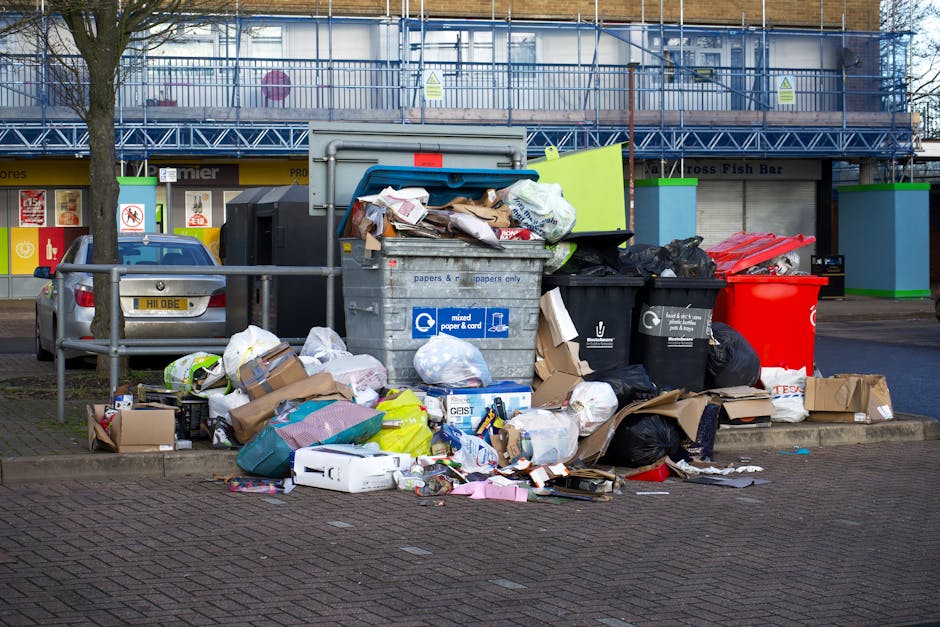
Upholstery waste is not just "old furniture rubbish". In a cleaning business, it may include dismantled sofa covers, fabric sections, damaged padding, contaminated cushions, broken frames, and items removed during clearance-style jobs. Some of that material may be suitable for reuse or recycling. Some of it may need to be treated as bulky waste. A small amount may even be unsuitable for ordinary disposal if it is contaminated, damp, or mixed with other waste streams.
That is why Kingston Council upholstery waste rules for cleaning businesses are worth understanding properly. The council's expectations, and the practical realities of commercial waste management, affect what you can leave out, how you segregate materials, and whether you need a licensed waste carrier or a particular collection arrangement. Let's face it, clients usually just want the job done and the mess gone. But behind the scenes, your business still needs a clean trail.
There is also a reputation angle. A professional cleaning firm should look organised. That includes how it deals with waste after a upholstery cleaning job, a sofa cleaning appointment, or a deep cleaning project where items are beyond saving. Good waste handling says as much about your standards as the work itself.
Practical summary: treat upholstery waste as a managed business material, not a casual throw-away. Identify it, separate it, store it safely, and dispose of it through the right route for the type of waste involved.
How Kingston Council upholstery waste rules for cleaning businesses Works
There is no single "one-size-fits-all" disposal rule that covers every upholstered item. The process usually depends on the type of waste, who owns it, and where it is being generated. In a real job, the steps often look like this:
- Identify the item. Is it a whole sofa, a chair, cushion filling, fabric offcuts, or a damaged mattress-like item with upholstery components?
- Check the condition. Dry and intact waste is different from items contaminated with bodily fluids, pests, mould, or heavy soiling.
- Separate materials where sensible. Wood, metal, foam, fabric, and plastics may be better handled separately if your waste contractor or disposal route can support that.
- Confirm the disposal route. Some items may fit general bulky waste arrangements, while others need commercial waste collection or specialist handling.
- Record the transfer. Keep notes, invoices, or transfer records so you can show where the waste went if asked.
For cleaning businesses, the practical decision is often not "can I get rid of this?" but "what is the safest, most compliant, least messy way to move this on?". That distinction matters. A lot.
Many firms build waste handling into the end of the visit. For example, after an end of tenancy clean, a team may remove discarded chair covers, stained cushions, and packaging from cleaning materials, then log what has been taken away. During a move out cleaning job, the client may also ask about old soft furnishings left behind. In those cases, you should be very clear about whether you are cleaning, clearing, or transporting waste at all.
It also helps to distinguish between upholstery that is simply dirty and upholstery that is waste. A grubby chair in a rental property might be worth treating, while a collapsed armchair with exposed foam may be better categorised as bulky waste or clearance. A small but useful judgment call, really.
Key Benefits and Practical Advantages
Understanding the rules properly is not just about avoiding trouble. It can actually make your business faster and tidier.
- Fewer collection issues: if waste is sorted correctly, you are less likely to face rejected loads or extra handling charges.
- Cleaner job handovers: clients notice when the workspace is left in order, especially in offices, rentals, and shared buildings.
- Better scheduling: you can plan disposal around the end of the job instead of scrambling later.
- Safer vans and stores: wet, smelly, or damaged upholstery left in a vehicle is unpleasant and can create hygiene problems.
- Stronger professionalism: clear waste processes make your service look established and trustworthy.
There is also a sustainability upside. Where material can be reused or recycled, it is better for the environment and often better for your brand story too. That does not mean pretending everything is recyclable. It just means making the effort to route things properly. If your business already has a sustainability angle, your recycling and sustainability approach should sit naturally alongside your disposal process.
Who This Is For and When It Makes Sense
This topic is relevant to more people than you might think. It is not only for businesses that literally haul sofas away. If you work in cleaning, waste handling will creep into your day in small, annoying ways.
- Upholstery cleaners dealing with damaged, unrecoverable items.
- Commercial cleaners who find discarded office chairs, waiting-room seating, or damaged soft furnishings.
- End of tenancy teams who come across abandoned furniture or torn-up cushions.
- Landlord and property maintenance cleaners handling clearance-related work.
- Deep cleaning crews managing bio-contaminated or heavily soiled soft items.
- Hotels, hosts and serviced accommodation operators using Airbnb cleaning or turnaround services where bulky waste sometimes appears unexpectedly.
It makes sense to tighten your process whenever you do jobs that can produce fabric waste, foam waste, broken furnishing parts, or abandoned soft furniture. If you ever finish a job and think, "right, what exactly do I do with this now?", that is the moment to have a standard procedure in place.
For some businesses, this will connect closely with commercial cleaning work. For others, it shows up during house cleaning or domestic cleaning where a property owner asks for "just a bit of help" with old items. That is where boundaries matter most.
Step-by-Step Guidance
If you want a straightforward operating method, use this:
- Inspect the item before touching it. Look for contamination, pests, dampness, broken glass, sharp frame edges, or exposed staples.
- Decide whether it is waste, a cleanable item, or a clearance job. If it belongs in a different service category, say so clearly.
- Separate what can be separated safely. Remove loose fabric offcuts, packaging, and non-upholstered debris where it is practical and allowed.
- Bag or contain small items. Keep fabric scraps, dust sheets, and disposable materials from scattering in the van.
- Store bulky pieces sensibly. Do not leave damp upholstery pressed against clean tools or chemicals.
- Use the correct waste route. Commercial waste, bulky waste, and specialist disposal are not interchangeable.
- Keep a brief record. Date, job location, item type, and disposal method is often enough for internal tracking.
- Review the job afterwards. If the process felt clunky, fix it before the next visit.
One small tip that saves a lot of grief: make the decision on site, not later in the van when the smell has had time to settle in. You will thank yourself. Honestly.
For businesses that also provide move in cleaning or end of tenancy cleaning, it is worth adding a single question to the booking notes: "Will any upholstery or furniture need disposal, removal, or referral to a clearance service?". That tiny question can prevent a long, awkward afternoon later.
Expert Tips for Better Results
Here is where the real-world habits make a difference.
Keep a waste decision checklist in the van. It does not have to be fancy. A laminated sheet or a mobile note will do. If the item is damp, contaminated, or structurally unsafe, you want a quick decision tree, not guesswork.
Train staff on mixed materials. Upholstery is rarely just fabric. It may include springs, foam, timber, webbing, nails, and plastic. Staff should know that mixed material waste may need different handling from ordinary soft waste.
Use separate bags or zones. Clean cloths, chemical waste, fabric scraps, and bulky items should not all live together. This sounds obvious until a busy Friday afternoon says otherwise.
Set the right expectation with customers. If a sofa is beyond repair, explain that disposal is a separate discussion from cleaning. That keeps pricing, responsibility, and timing clear.
Watch for contamination. A chair with heavy pet urine, mould, or unknown staining may need more cautious handling than a dry upholstered item. If you also handle pet stain and odour removal, you already know how quickly soft materials can become unpleasant to transport.
Make sustainability real, not vague. Even if you cannot recycle an item, you can still reduce waste by choosing cleaning methods that extend the life of upholstery. In practice, that means better spot treatment, better moisture control, and sensible advice to clients about when replacement is the better option.
A short aside: some of the worst waste problems happen not because the business is careless, but because nobody has decided whose job it is. Once that is fixed, everything gets easier.
Common Mistakes to Avoid
The biggest errors are usually simple ones.
- Mixing cleaning waste with upholstery waste. Not all waste has the same handling route.
- Assuming the council will collect everything the same way. Bulky items and commercial waste often need different arrangements.
- Leaving wet items in a closed vehicle. This creates smell, mould risk, and a very bad day.
- Failing to document disposal. If you cannot show where waste went, you are relying on memory. Memory is not a system.
- Taking in clearance work without the right setup. If the job includes removal, say so in advance and price it separately.
- Ignoring contamination. Soiled, infested, or mouldy upholstery needs extra caution.
- Forgetting to brief subcontractors. Everyone on the job should know the disposal plan before loading the van.
Another common one: calling everything "waste" and everything "cleaning" at the same time. That creates confusion. If you are cleaning the item, it is service work. If you are disposing of it, it is waste handling. Sometimes both happen on the same day, but they are not the same task.
Tools, Resources and Recommendations
You do not need a huge toolkit, but a few sensible items make this much smoother:
- Heavy-duty sacks or wraps for fabric offcuts and small components.
- Protective gloves for handling worn frames, staples, and dirty materials.
- Spill-resistant storage in the van for damp or contaminated items.
- Basic job notes app or logbook to record waste type and outcome.
- Labelled storage zones so clean equipment stays separate from waste.
- Customer paperwork that makes it clear whether waste removal is included or excluded.
For service businesses that want to look and operate more professionally, it is worth reviewing your related operational pages too, especially health and safety policy, insurance and safety information, and terms and conditions. They help you draw a clear line between what your team will do, what happens if waste is discovered, and what extra charges may apply.
If you are still shaping your pricing model, your pricing and quotes process should reflect the fact that waste handling may add time, labour, disposal charges, or vehicle space. That part is easy to underestimate, especially on a busy week.
Law, Compliance, Standards, or Best Practice
For cleaning businesses in Kingston, the safe approach is to treat upholstery waste as part of your wider commercial waste duty. The exact route will depend on the waste type, how it is being moved, and who is responsible for it at each stage. You should be especially careful if the waste is contaminated, bulky, or mixed with other materials.
Best practice usually includes the following:
- Separate reusable, recyclable, and disposable material where practical.
- Use a legitimate waste collection or disposal route.
- Keep records of transfer and disposal.
- Avoid leaving waste where it might cause a nuisance, blockage, or hygiene issue.
- Do not assume household-style disposal is acceptable for business-generated waste.
The safest way to think about the Kingston Council upholstery waste rules for cleaning businesses is this: if your business generates the waste, your business needs a process for handling it. That includes planning, separation, transport, and proof. Nothing glamorous there. Just the boring bits that keep you protected.
Where items are linked to broader property clearances, it may be appropriate to discuss whether the job belongs under house clearance rather than a standard cleaning appointment. The distinction matters because the waste profile is often very different.
Options, Methods, or Comparison Table
There are a few common ways a cleaning business can deal with upholstery waste. The right answer depends on quantity, contamination, and whether you are handling the item as part of a cleaning or clearance service.
| Method | Best for | Pros | Watch-outs |
|---|---|---|---|
| Bag and remove as part of normal commercial waste | Small fabric offcuts, light disposal waste | Simple, fast, low disruption | Not suitable for bulky or contaminated items |
| Bulky waste collection or arranged disposal | Whole chairs, small sofas, larger soft furnishings | Cleaner for larger jobs, easier to plan | Needs correct booking and clear responsibility |
| Specialist handling / clearance referral | Contaminated, damp, infested, or mixed-material items | Safer for high-risk waste | Can take longer and cost more |
| Repair or restoration instead of disposal | Items that are dirty but structurally sound | Extends item life, better for client value | Only works when the item is genuinely salvageable |
A useful rule of thumb: if the item is still a usable furnishing after cleaning, it probably should not be treated like disposal waste. If it is broken, collapsing, or unsafe, the conversation changes quickly.
Case Study or Real-World Example
Picture a small Kingston cleaning team finishing a one-off job in a rental flat on a grey Tuesday morning. The client has asked for a deep clean before new tenants move in. In the bedroom, there is a damaged upholstered chair with split fabric and damp padding. In the lounge, there are two cushion covers, some packaging, and a pile of lint from extraction work.
The team pauses before loading anything. First, they separate the lint and packaging from the chair. The chair is assessed as beyond practical cleaning because the padding is broken down and the frame is exposed. Rather than treating it as general rubbish, they note it as bulky furniture waste and tell the client it needs a proper disposal route. The smaller fabric items are bagged, recorded, and kept away from clean equipment.
Nothing dramatic happened. That is exactly the point. The job stayed tidy, the vehicle stayed clean, and the team could explain what had been removed and why. If the customer later asks, there is a straightforward answer. No improvisation, no shrugging, no "we'll sort it out later" energy.
That same approach works on office work too. A small business might need office cleaning with old chairs found in a storage room, or a landlord might book communal area cleaning and discover abandoned soft furnishings in a shared space. The best teams do not guess. They assess, separate, record, and move on.
Practical Checklist
Use this quick checklist before you finish a job that involves upholstery waste:
- Have I identified every upholstered item that needs disposal or further action?
- Is the item cleanable, repairable, or clearly waste?
- Is there contamination, dampness, pests, mould, or sharp material involved?
- Have I separated fabric scraps, packaging, and general debris?
- Is the waste stored safely away from clean kit and chemicals?
- Do I know the correct disposal route for this specific waste type?
- Have I told the client what is included and what is not?
- Have I recorded the waste decision, even briefly?
- Does the job need a follow-up collection, referral, or quote adjustment?
- Would I be happy to explain this process to a customer or inspector if asked?
If the answer to several of those is no, pause and tidy it up before moving to the next appointment. It is much easier now than after the van is packed.
Conclusion
Kingston Council upholstery waste rules for cleaning businesses are best approached as a practical operating habit rather than a one-off compliance headache. Once you know how to identify upholstery waste, separate it properly, and send it down the right disposal route, the whole process becomes much calmer. Cleaner jobs, better records, fewer misunderstandings. Simple, but not always easy.
For local cleaning businesses, the payoff is real: less risk, better client confidence, and a more organised service overall. Whether you are handling upholstery after a deep clean, dealing with a bulky item during a tenancy changeover, or simply clearing small fabric waste from a site, a clear process will make your day smoother. And on a rainy Kingston afternoon, that really does count for something.
Get a free quote today and see how much you can save.
Frequently Asked Questions
What counts as upholstery waste for a cleaning business?
It usually includes damaged upholstered furniture, fabric offcuts, foam, cushion fillings, worn covers, and any soft furnishing material that you are disposing of after a job. The key point is whether it is being thrown away as business waste rather than simply cleaned.
Can a cleaning business leave upholstery waste with ordinary rubbish?
Not always. Upholstery waste can be bulky, mixed-material, or contaminated, so it may need a different disposal route from normal general waste. Treat it carefully and check the most appropriate route for the item and job type.
Do I need records for upholstery waste disposal?
Yes, keeping simple records is a very good idea. Even a brief note of the job date, item type, and disposal method can help you show that you handled the waste responsibly.
What if the upholstery is dirty but still usable?
Then it may be better treated as a cleaning job rather than waste. A stained chair or sofa can sometimes be cleaned, restored, or spot-treated rather than discarded. The decision should be based on condition, safety, and client expectations.
How should contaminated upholstery be handled?
Contaminated items need extra caution. If there are signs of mould, pests, bodily fluids, or strong odour contamination, isolate the item, protect your staff, and use the right waste route. Do not casually mix it with standard waste.
Does the council collect sofa or chair waste for cleaning companies?
Collection arrangements vary, and commercial waste is not the same as domestic collection. A cleaning business should assume it needs a proper business disposal route rather than relying on household-style arrangements.
What is the difference between upholstery cleaning and upholstery waste?
Upholstery cleaning is the service of restoring or treating the item. Upholstery waste is the material or item being discarded. Sometimes one job contains both, but they should still be handled as separate decisions.
Should I separate fabric, foam, and timber parts?
Where practical and safe, yes. Separating materials can make disposal cleaner and may help if your waste contractor can route materials differently. It is not always possible on-site, but it is worth considering.
Can I build disposal costs into my quotes?
Absolutely. If a job may involve bulky furniture, contaminated materials, or extra van space, your quote should reflect that. Clear pricing avoids awkward conversations later.
Is upholstery waste handling relevant to office cleaning jobs?
Very much so. Offices often have old chairs, soft seating, or storage-room clutter that appears during a clean. If you offer office services, have a process ready before the first chair turns up at the door.
What is the safest first step if I am unsure how to classify an item?
Stop and assess it before loading. Look at the material, condition, contamination risk, and whether it belongs under cleaning, clearance, or waste disposal. When in doubt, err on the side of caution and keep the item separate until you know more.
How do I make sure my staff follow the same process?
Use a simple written procedure, train staff on common scenarios, and keep the checklist visible in the van or job system. Consistency matters more than perfection here.