Upholstery cleaning Rose Theatre Kingston before after
Posted on 30/04/2026
Upholstery cleaning Rose Theatre Kingston before after: what really changes, and what to expect
If you are looking up Upholstery cleaning Rose Theatre Kingston before after, you probably want something very specific: proof that tired, marked furniture can look better again, and a realistic idea of how much better. Not glossy marketing. Not vague promises. Just the honest before-and-after story, especially if your sofa, chairs, or theatre seating has picked up everyday wear from guests, foot traffic, spills, or that one drink that escaped at exactly the wrong moment.
In a busy part of Kingston, close to the Rose Theatre and the surrounding cafes, bars, offices, and homes, upholstery can take a fair beating. Fabric holds on to dust, odours, body oils, crumbs, and the kind of grime you only notice once the sunlight hits it in the afternoon. This guide breaks down what upholstery cleaning can realistically achieve, how the process works, what results you can expect, and how to judge whether it is worth booking. If you want the big picture first, you can also explore our services overview or read more about our upholstery cleaning in Kingston upon Thames.
Truth be told, the best before-and-after results are usually less about magic and more about method. The right fabric check, the right cleaning solution, careful extraction, controlled drying, and a bit of know-how make all the difference.
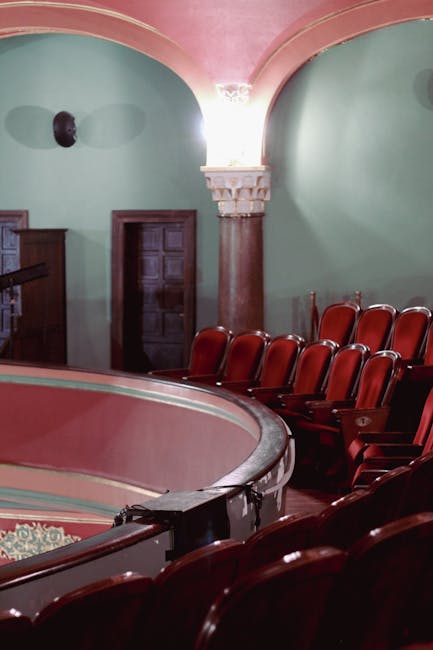
![Interior view of the Rose Theatre Kingston auditorium showing rows of black and red upholstered seats arranged in a curved pattern on a wooden floor. The seats are clean and well-maintained with no visible dust or stains, illuminated by ambient lighting that highlights the sleek fabric upholstery. The photograph captures the seating area before or after a cleaning session by [COMPANY_NAME], emphasizing surface and upholstery cleaning in a venue used for performances and events, aligning with the service category of professional cleaning and deep sanitisation for theatrical spaces. The room's layout and materials reflect a commercial setting dedicated to maintaining hygiene and visual appeal.](/pub/blogphoto/upholstery-cleaning-rose-theatre-kingston-before-after1.jpg)
Why Upholstery cleaning Rose Theatre Kingston before after Matters
Before-and-after photos are popular for a reason. They give you something concrete to judge. When it comes to upholstery, the transformation is often more subtle than a full room refresh, but it can still be dramatic in the areas people use most: armrests, headrests, seat cushions, and fabric edges where dust and skin oils settle first.
That matters for a few practical reasons. First, furniture is expensive to replace. Second, upholstery cleaning can extend the usable life of a sofa, dining chair, ottoman, or office waiting-room seat. Third, a cleaner finish makes a room feel looked after. Not just clean. Looked after. There is a difference, and people notice it even if they cannot quite put their finger on why.
For local homeowners, landlords, venue managers, and business owners near the Rose Theatre, appearance can matter just as much as hygiene. A soft chair that looks dull, patched with shadows, or slightly "greyed" by traffic can quietly drag down the whole space. After cleaning, the fabric often looks brighter, smells fresher, and feels less tired under the hand.
If you are weighing whether to refresh a property before a sale or rental handover, our guide to advice for Kingston home sellers gives useful context. And for people comparing life and location in the area, the article on whether you should move to Kingston is a good read too.
Practical takeaway: good upholstery cleaning rarely makes furniture look brand new, but it can make a real, visible difference that changes how a room feels the moment you walk in.
How Upholstery cleaning Rose Theatre Kingston before after Works
The process depends on the fabric, the stain type, and the construction of the furniture, but the general workflow is straightforward. A proper clean starts with inspection, not chemicals. That is where a lot of DIY attempts go wrong, to be fair. People spray first and ask questions later.
1. Fabric identification and condition check
The cleaner should determine the upholstery type. Cotton, polyester, microfibre, wool blends, velvet, and leather all behave differently. Some fabrics can handle low-moisture hot water extraction. Others need gentler methods or specialist care. Labels help, but they are not always present or easy to interpret, so experience matters.
2. Pre-vacuuming and dry soil removal
Loose dirt is removed before any wet cleaning begins. This is essential because embedded grit can turn into mud if you go straight in with liquid. A proper vacuum pass along seams, piping, and creases improves the final result more than people expect.
3. Pre-treatment of spots and traffic areas
High-use areas get treated with suitable solutions to loosen oils, drink marks, and general soiling. This is where the transformation often starts to show. Stains do not always disappear completely, but they usually soften, fade, or break apart enough to stop shouting for attention.
4. Cleaning method selection
Depending on the fabric and condition, a technician may use hot water extraction, low-moisture cleaning, foam cleaning, or dry compound methods. Each has strengths. Extraction is strong on soil removal. Low-moisture methods can reduce drying time. Dry cleaning may suit delicate materials.
5. Rinse, extraction, and grooming
After cleaning, residues are extracted and fibres may be groomed to set the pile neatly. This helps avoid patchy drying or a flattened finish. If you have ever seen a sofa dry with a slightly streaky look, this step is often the missing piece.
6. Drying and final inspection
Airflow, room temperature, and fabric density all affect drying time. A good technician will explain what to expect and may advise keeping pets or heavy use away for a while. It sounds obvious, but a lot of damage happens in the last mile.
Nearby venues and commercial spaces often benefit from a routine approach because they need furniture to look presentable between events. If you want broader cleaning context for business premises, our page on office cleaning in Kingston upon Thames may be useful.
Key Benefits and Practical Advantages
The visible before-and-after difference is only part of the story. The real value often shows up in how the room feels and how long the furniture lasts.
- Better appearance: fabric looks brighter, fresher, and more even in colour.
- Improved smell: cleaning can reduce stale odours trapped in fibres.
- Longer fabric life: removing grit and sticky residues helps reduce wear.
- Better presentation: useful for rentals, sales, venues, waiting rooms, and receptions.
- More comfortable use: fabric can feel less grimy or rough.
- Spot reduction: many common marks become less noticeable, even if not every stain vanishes.
There is also a confidence boost that people do not always talk about. If your sofa is in the living room, it is part of everyday life. If it looks clean, the whole room feels less cluttered and more settled. If you work in a public-facing setting near the Rose Theatre, that first impression can matter immediately. A clean seat tells people you pay attention.
For people planning a move or property improvement, upholstery care fits neatly alongside wider domestic upkeep. Our domestic cleaning service in Kingston and house cleaning options can help round out the picture if you are getting a home ready for guests, sale, or tenancy changes.
Who This Is For and When It Makes Sense
This kind of cleaning is not only for people with obviously stained sofas. In fact, a lot of the best results come from furniture that has quietly dulled over time rather than something that looks badly damaged.
You may want upholstery cleaning if you are:
- preparing a property for viewings or sale
- refreshing a rental between tenants
- getting ready for a party, event, or seasonal visitors
- trying to remove food, drink, pet, or smoke-related odours
- dealing with a sofa that looks tired in daylight
- updating seating in a small business, clinic, salon, or office near Kingston
- maintaining furniture that is still structurally good but cosmetically dull
It also makes sense if you have been trying to keep on top of regular domestic cleaning but the fabric still does not look right. Sometimes vacuuming just is not enough. The grime sits deeper than the surface, and a proper fabric clean becomes the missing piece.
For event-related spaces, it can be a sensible pre- or post-function step too. If you are organising an occasion nearby, you might find our local article on party venue recommendations in Kingston helpful alongside your cleaning plans. And if you are comparing local investment or letting decisions, the guide to investing in Kingston real estate gives useful background.
Step-by-Step Guidance
If you are judging before-and-after work, it helps to know what a sensible process looks like. Here is the practical version.
- Inspect the furniture carefully. Look at fabric type, visible marks, wear, and any loose stitching or damage.
- Test in a hidden area. This reduces the risk of colour bleed or texture changes.
- Vacuum thoroughly. Especially around seams, under cushions, and on the back where dust gathers.
- Pre-treat spots and heavy traffic zones. Use the right product for the stain, not the strongest thing in the cupboard.
- Choose the right cleaning method. Match the approach to the fabric and drying needs.
- Extract or wipe carefully. Remove as much soil and residue as possible without over-wetting the fabric.
- Allow proper drying time. Open windows if appropriate, use airflow, and avoid rushing back onto the furniture.
- Check the result in natural light. Evening lamp light can hide missed areas. Daylight is the honest review.
A small but useful tip: take a quick photo before the clean from the same angle you will use after. It gives you an objective comparison and avoids that "it looks different, but how different?" moment. We all do it, no shame there.
If you are booking services and want an idea of the wider process, our pricing and quotes page explains how to approach estimates without guessing. And if you want to understand the company behind the service first, visit our about us page.
Expert Tips for Better Results
Small choices make a surprisingly big difference with upholstery. Here are the things that tend to separate a decent clean from a really good one.
- Act early on spills. Blot, do not rub. Rubbing drives the stain deeper and can distort the pile.
- Know your fabric. Velvet, wool blends, and some dyed materials need more caution than hard-wearing synthetics.
- Do not overload with water. Over-wetting can leave rings, slow drying, and encourage re-soiling.
- Ventilation helps a lot. Fresh air and airflow support drying and reduce that damp-clean smell.
- Protect after cleaning if needed. A fabric protector may be useful in some situations, though it is not a miracle cure.
- Clean the whole seat area, not just the stain. Spot-only cleaning can leave visible tide marks.
One quiet truth about upholstery is that even when a stain remains faintly visible, the overall result can still be worth it. People often focus on the one mark they can still see up close. Step back a metre or two, though, and the picture changes. That is often where the before-and-after value really shows.
If you are dealing with delicate furnishings or valuable pieces, ask for a cautious approach rather than the fastest one. A careful clean is usually the better deal in the long run. It just is.
Common Mistakes to Avoid
Most upholstery problems after cleaning do not come from the cleaning itself. They come from the wrong prep, the wrong product, or too much enthusiasm.
- Using random household cleaners: Strong detergents can leave sticky residues or damage dyes.
- Scrubbing stains aggressively: This can spread the mark and rough up the fibres.
- Skipping a fabric test: A hidden patch test is basic good practice.
- Cleaning only the visible spot: This often creates a halo or ring around the area.
- Using too much moisture: Excess water can soak into the cushion core and take ages to dry.
- Ignoring the label: Care instructions are there for a reason, even if they are tiny and annoying.
- Using the furniture too soon: Premature use can flatten the pile or pull dirt back in.
Another common mistake is expecting every mark to disappear completely. Sometimes that happens. Sometimes it does not. Coffee, dye transfer, old pet accidents, and sun fade can be stubborn. A trustworthy cleaner should say that plainly rather than pretending every stain is a guaranteed win.
Tools, Resources and Recommendations
The right tools matter, but so does understanding what each one is for. A professional upholstery clean may involve:
- a high-filtration vacuum cleaner
- fabric-safe pre-sprays and spot treatments
- soft brushes or agitation tools
- hot water extraction or low-moisture equipment
- microfibre cloths for controlled wiping
- air movers or practical drying support where suitable
If you are trying to decide whether to book a standalone upholstery clean or combine it with other services, it can help to look at the bigger property picture. For example, an end-of-tenancy clean may pair well with furniture refreshes. See our end of tenancy cleaning in Kingston upon Thames page for related context.
For trust and reassurance, it is worth reviewing service information too. Our health and safety policy, insurance and safety information, and payment and security page are useful if you like to know how things are handled before you book.
Law, Compliance, Standards, or Best Practice
Upholstery cleaning is not heavily regulated in the same way as some specialist trades, but there are still sensible standards and expectations to follow. In the UK, a good provider should work carefully, communicate clearly, and use products and methods appropriately for the material. That includes considering safety, ventilation, and any manufacturer care guidance.
If cleaning is being done in a commercial setting, the practical duty of care becomes more obvious. Public access areas, waiting rooms, and office environments should be managed in a way that avoids slip hazards, chemical misuse, or unnecessary disruption. A cleaner should not leave saturated fabric in a space where it will be used immediately. Common sense, really, but worth saying.
Good practice also means being honest about limitations. Some fabrics are sensitive. Some stains are permanent or only partially removable. Some old marks are actually wear, not dirt. A reputable company should explain the likely outcome before starting rather than overselling the finish.
If you want to understand the provider's broader approach to accountability, you can review the website's terms and conditions, privacy policy, and complaints procedure. Those pages are not glamorous, no. But they do matter when you want a service that feels organised and professional.
Options, Methods, or Comparison Table
Different upholstery cleaning methods suit different situations. Here is a simple comparison to help you think it through.
| Method | Best for | Advantages | Watch-outs |
|---|---|---|---|
| Hot water extraction | Durable fabric with deeper soiling | Strong soil removal, good for general refresh | Longer drying time, not ideal for all fabrics |
| Low-moisture cleaning | Busy homes, faster turnaround needs | Quicker dry time, less saturation | May need more careful stain selection |
| Dry compound or dry cleaning | Delicate fabrics and sensitive items | Minimal water use, gentler approach | May not lift very heavy soil as deeply |
| Spot-only treatment | Small fresh spills | Fast and targeted | Can leave visible edges or uneven finish if overused |
There is no universal winner. The best method depends on the fabric and the goal. If you want a visibly improved sofa before guests arrive on a Saturday evening, low-moisture may be ideal. If you are dealing with a heavily used family sofa, extraction might be the stronger choice. Sometimes the answer is a mix of methods. That is normal.
Case Study or Real-World Example
Picture a typical Kingston living room: a medium-grey sofa near a window, with one armrest darker than the rest, a faint drink mark on the seat cushion, and a general flatness to the fabric. Nothing dramatic. Just enough wear to make the whole room feel a bit tired.
Before cleaning, the sofa looks uneven in daylight. The armrest shows oily shine from daily use, the seat has a dull patch where people always sit, and there is a lingering smell that you only really notice once you sit down. It is not a disaster. It is just... worn.
After a proper upholstery clean, the change is usually most noticeable in three places: the colour looks more even, the odour drops away, and the texture lifts slightly so the fabric catches the light better. The old drink mark may reduce to a faint shadow or disappear almost entirely, depending on age and material. The seat still looks like the same sofa, but cleaner, fresher, and more intentional.
That kind of result is often enough to change the whole feel of a room. Not a film-set transformation. More honest than that. Better, actually.
For people selling, renting, or renovating in the area, this kind of refresh pairs well with our local reading on Kingston's culture and neighbourhood character, especially if you are trying to present a property in a way that feels polished but still local and lived-in.
Practical Checklist
Use this quick checklist before you book or attempt any upholstery refresh.
- Identify the fabric type if you can
- Check for care labels or manufacturer guidance
- Photograph the furniture in natural light
- Note all stains, odours, and wear patterns
- Ask whether the cleaning method suits the material
- Confirm expected drying time
- Move small items, cushions, and breakables out of the way
- Plan ventilation after the clean
- Avoid using the furniture too soon
- Review the result before and after it fully dries
If the furniture is part of a wider refresh, you may also want to pair it with general house cleaning or a broader domestic clean. Small details stack up. A clean sofa beside dusty skirting boards still looks half-finished, and you know it.
Conclusion
Upholstery cleaning near the Rose Theatre area is really about restoring the parts of a room that people touch, lean on, and live with every day. The before-and-after difference can be striking, but the best results come from matching the right method to the right fabric, setting sensible expectations, and paying attention to details like drying and aftercare.
Whether you are preparing for guests, improving a rental, refreshing a business space, or simply tired of looking at that one stubborn mark on the arm of the sofa, a careful clean can make the room feel calmer and more complete. It is one of those jobs where the value sneaks up on you. You notice it properly only after the room settles back into place.
Get a free quote today and see how much you can save.
If you are comparing your options, start with the main upholstery cleaning service page and then review the rest of our site for practical details and reassurance. Sometimes the simplest next step is the right one.
![Interior view of the Rose Theatre Kingston auditorium showing rows of black and red upholstered seats arranged in a curved pattern on a wooden floor. The seats are clean and well-maintained with no visible dust or stains, illuminated by ambient lighting that highlights the sleek fabric upholstery. The photograph captures the seating area before or after a cleaning session by [COMPANY_NAME], emphasizing surface and upholstery cleaning in a venue used for performances and events, aligning with the service category of professional cleaning and deep sanitisation for theatrical spaces. The room's layout and materials reflect a commercial setting dedicated to maintaining hygiene and visual appeal.](/pub/blogphoto/upholstery-cleaning-rose-theatre-kingston-before-after3.jpg)


.jpg "Carpet Cleaners Kingston Upon Thames")


